
Digital Marketing Website Templates: Best Designs for Modern Businesses
Explore professional digital marketing website templates for agencies, SEO businesses, social media teams, and freelancers, with practical tips for choosing a fast, responsive, and conversion focused design.

A website is often the first place a potential client checks before contacting a digital marketing agency or freelancer. The design does not need to be complicated, but it needs to make three things clear: what you offer, who you help, and why someone should trust you.
That is where digital marketing website templates can be useful. A good template gives you a professional starting point without requiring you to design every page from zero. You can then adjust the layout, content, colors, images, and calls to action around your actual business.
What Are Digital Marketing Website Templates?
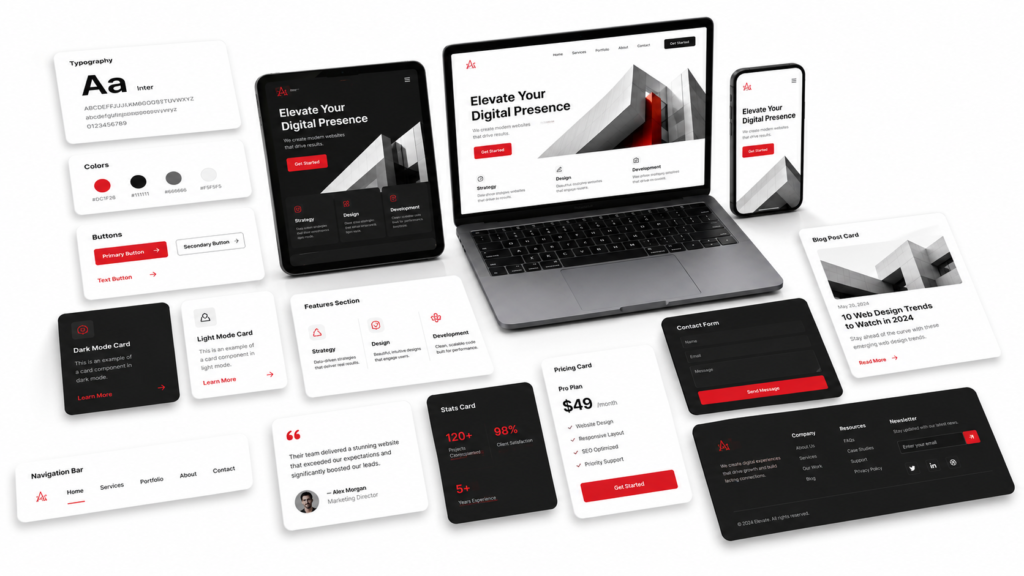
Digital marketing website templates are pre designed website layouts created for agencies, marketers, SEO professionals, social media managers, and related businesses.
Most templates include important pages such as a homepage, services page, about page, portfolio, case studies, blog, and contact page. Some also include sections for testimonials, pricing, lead forms, and client results.
The main benefit is speed. Instead of spending weeks creating a basic structure, you can start with an existing layout and focus your time on useful content and business information.
However, choosing a template simply because it looks attractive can be a mistake. The design should support your marketing goals rather than become the main attraction.
What Makes a Good Digital Marketing Website Template?
A professional template should do more than look modern. It should make the website easy to use and help visitors understand your services quickly.
1. Clear service structure
Your visitors should not have to search for what you provide. If you offer SEO, social media management, paid advertising, or content marketing, these services should be visible from the homepage.
For example, an SEO agency could place technical SEO, on page SEO, link building, and SEO audits into separate service sections. This gives visitors a better understanding of the agency’s expertise.
2. Mobile responsive design
A large part of website traffic comes from smartphones. Your template should therefore work properly on smaller screens.
Check the mobile version before selecting a template. Look at menu navigation, button sizes, text spacing, forms, images, and page loading. A layout that looks excellent on a desktop can become difficult to use on a phone.
3. Fast loading performance
A beautiful website is not very useful if visitors have to wait several seconds for it to load.
Avoid templates that depend on excessive animations, large background videos, unnecessary plugins, or oversized images. A simpler design often provides a better experience.
4. Strong calls to action
A marketing website should guide visitors toward a useful next step.
Instead of placing a button on every section, use clear actions such as “Book a Consultation,” “Request an SEO Audit,” or “View Our Work.” The right call to action depends on what you want visitors to do.
SEO Website Templates: What Should You Check?
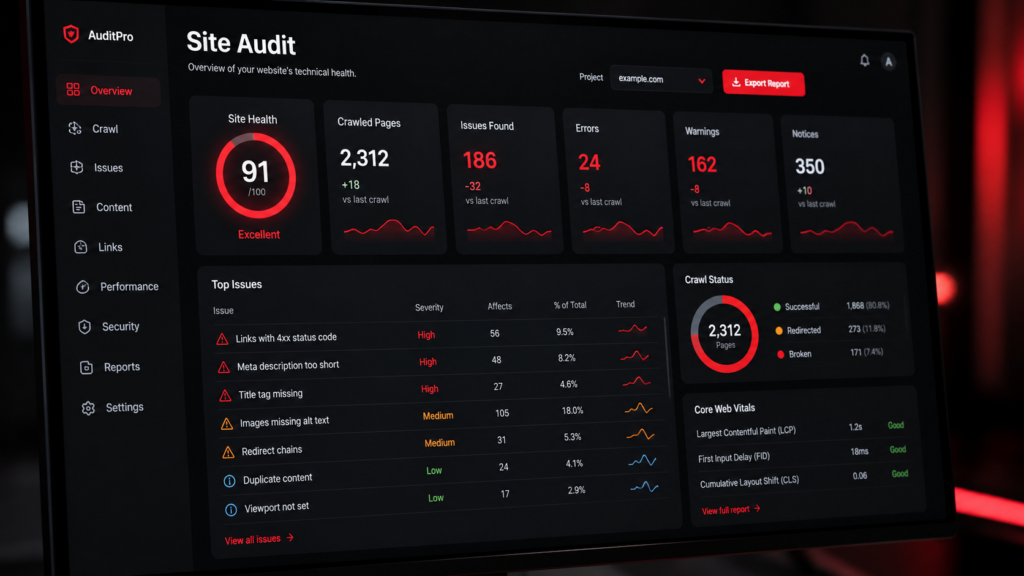
When comparing SEO website templates, look beyond colors and typography. The technical structure matters just as much as the visual design.
Look for clean HTML structure, editable page titles and meta descriptions, proper heading hierarchy, responsive layouts, fast loading pages, readable URLs, and good image handling.
A template should also allow you to create useful content around topics your audience actually searches for. For example, an SEO company could publish guides about keyword research, technical SEO, local SEO, and Google Search Console.
This creates an opportunity to demonstrate knowledge rather than simply claiming expertise.
Choosing a Template for a Social Media Marketing Business
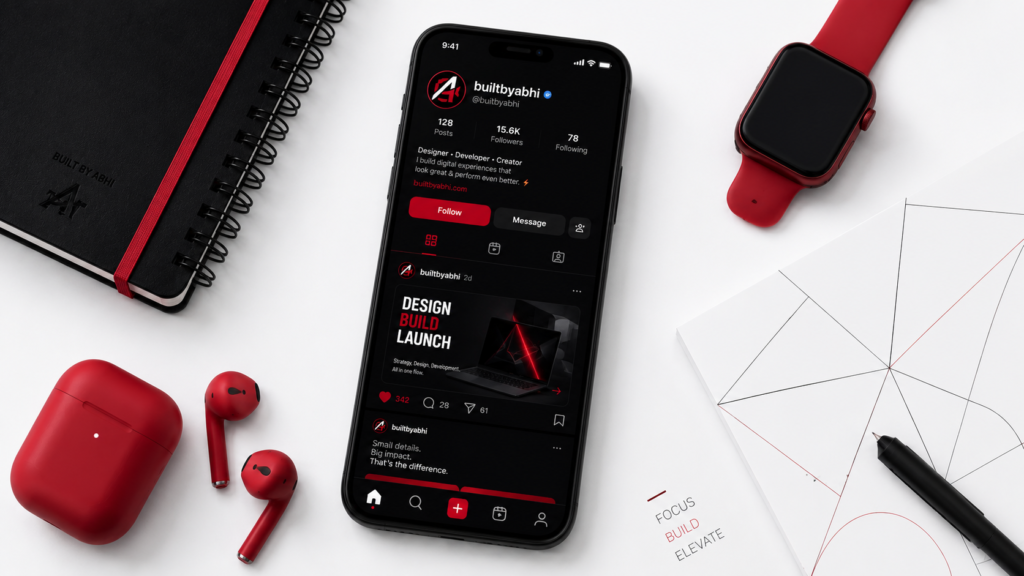
Social media agencies and managers often need a slightly different website structure.
Visual examples are important because potential clients want to see the quality of your work. A suitable template may include a portfolio section where you can show campaign examples, content designs, engagement improvements, or creative work.
Do not fill the portfolio with random images. Explain the problem, what you changed, and what happened afterward whenever you have genuine results to share.
For instance, instead of saying “We increased engagement,” explain what type of content was used, how often it was published, and what measurable improvement occurred. Specific information makes a portfolio more believable.
Template Features That Are Worth Prioritizing

When comparing different designs, focus on practical features rather than trends.
A strong template should ideally provide:
- Responsive mobile design
- Simple navigation
- Fast page performance
- Flexible service sections
- Blog functionality
- Case study layouts
- Contact or lead generation forms
- Basic SEO controls
- Easy content editing
- Accessible typography and color contrast
You do not necessarily need every feature. The best choice depends on the size and purpose of your website.
Common Mistakes When Using Website Templates
One common mistake is keeping the original demo content. A template may contain impressive sounding text, but generic statements do little to explain your actual business.
Another mistake is adding too many services. If an agency offers twenty different services, visitors may struggle to understand what the agency is actually known for.
It is usually better to explain a smaller number of core services clearly.
Also pay attention to trust. Add a real business description, genuine client work, contact information, author details for educational content, and evidence that supports your claims.
How to Customize a Template Properly
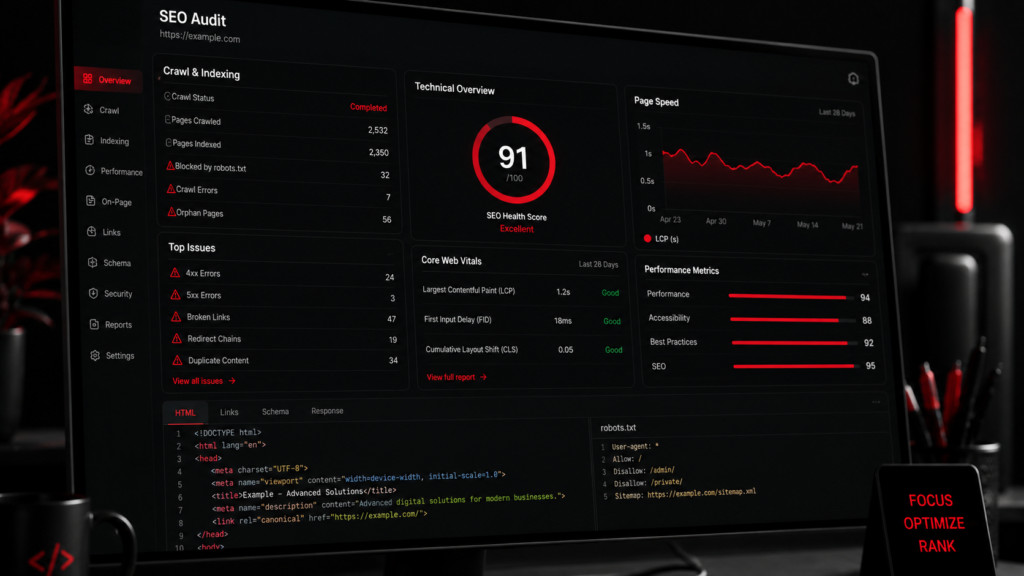
Once you choose a template, start with the homepage structure rather than changing every visual element immediately.
Write your main headline first. It should tell visitors what you do and who you help.
Then create a simple service section, followed by evidence such as case studies, client feedback, or relevant experience. Finish with a clear contact option.
After the content is ready, adjust fonts, colors, images, spacing, and other design elements to match your brand.
This approach prevents a common problem where a website looks polished but says very little.
Final Thoughts
The best digital marketing website templates are not necessarily the most visually impressive ones. A useful template should make your services easy to understand, work well on mobile devices, load quickly, support SEO, and give visitors a clear reason to contact you.
Whether you run an SEO agency, manage social media accounts, work as a freelancer, or provide broader digital marketing services, start with your audience and business goals. Then choose a template that supports them.
A strong website does not need dozens of effects. It needs clear information, useful content, trustworthy evidence, and a simple experience for the visitor.
Are digital marketing website templates good for SEO?
Yes. A template can provide a good starting point for SEO, but the template itself does not guarantee rankings. Page speed, content quality, technical setup, internal linking, mobile usability, and search intent still need proper attention.
What should an SEO website template include?
An SEO website template should support clear heading structures, editable metadata, fast loading pages, mobile responsiveness, clean navigation, blog content, and useful service pages.
Should I use a free or paid website template?
Either can work. A free template may be enough for a small portfolio, while a paid template can offer more features and support. Always check performance, flexibility, security, and update history before choosing one.
Can I customize a digital marketing website template?
Yes. Most templates allow you to change text, images, colors, fonts, sections, and page layouts. The more important task is replacing generic demo content with information that accurately represents your business.
How many pages should a digital marketing agency website have?
There is no fixed number. A small agency may only need a homepage, services page, about page, portfolio or case studies page, blog, and contact page. Larger agencies may need dedicated pages for individual services and industries.