
Digital Marketing and Social Media Marketing: Strategies to Grow Your Business Online
Explore practical digital marketing and social media strategies that help businesses increase online visibility, connect with the right audience, generate leads, and build long term growth.
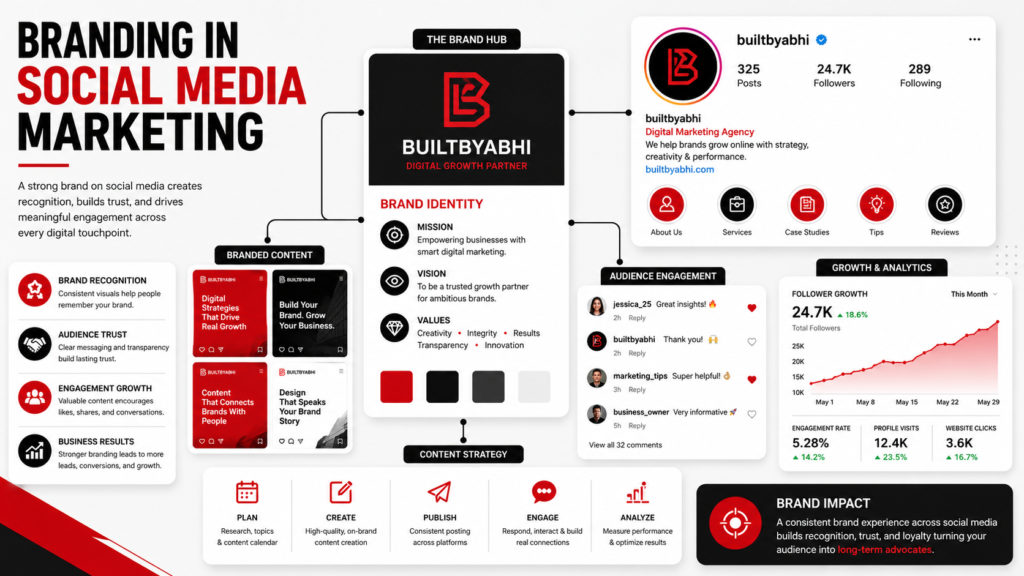
Digital marketing and social media marketing are now important parts of how businesses attract customers and build their presence online. Whether you run a small local business, an ecommerce store, a professional service, or a growing company, people often search online before deciding whether to contact or buy from a business.
That makes your online presence important.
A good website, useful content, search visibility, and active social media accounts can work together to bring more people to your business. However, simply being present online is not enough. You need a clear strategy that connects your marketing activities with what your customers actually need.
What Is Digital Marketing and Social Media Marketing?
Digital marketing is a broad term for marketing activities that use online channels to reach potential customers. It can include search engine optimization, paid advertising, content marketing, email marketing, website marketing, and social media.
Social media marketing is one part of this larger approach. It focuses on platforms such as Instagram, Facebook, LinkedIn, YouTube, and other social networks to communicate with an audience.
For example, a web design company could use SEO to appear when someone searches for website design services. The company could then use Instagram to show previous projects, share website tips, and answer common questions.
These channels support each other.
SEO can bring people who are actively searching, while social media can help people become familiar with the business before they are ready to make a decision.
Why Do Businesses Need Digital Marketing?
Traditional advertising can still work for some businesses, but online marketing gives companies more ways to understand their audience and measure results.
A business can see where visitors come from, which pages they visit, what content gets attention, and which campaigns generate enquiries.
Digital marketing can help businesses with:
- Increasing online visibility
- Reaching specific audiences
- Generating website traffic
- Building customer trust
- Creating leads and enquiries
- Supporting long term brand awareness
For instance, a local service business might create useful pages targeting questions customers regularly search for. Instead of trying to reach everyone, the business can focus on people who are more likely to need its services.
That approach usually makes marketing more focused and easier to measure.
How Social Media Supports Business Growth
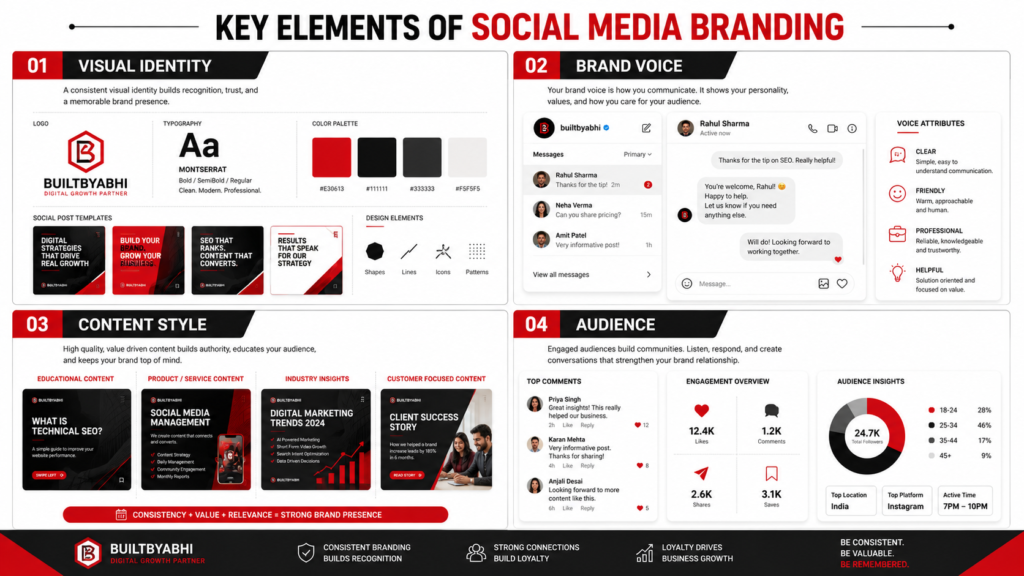
Social media gives businesses a direct way to communicate with potential and existing customers.
However, successful social media marketing is not simply about posting every day. The quality and purpose of your content matter more than posting for the sake of staying active.
A business can use social media to educate customers, answer questions, demonstrate products, share customer experiences, introduce team members, and explain its services.
For example, a digital marketing agency could create short posts explaining basic SEO mistakes, website speed issues, social media management tips, and common advertising problems. This type of content can demonstrate knowledge while giving the audience something genuinely useful.
Over time, helpful content can make a business easier to remember.
Building an Effective Social Media Strategy
Before creating content, understand who you are trying to reach.
A social media manager should consider the audience’s age, interests, problems, buying behaviour, and preferred platforms. A company targeting business owners may find LinkedIn useful, while a fashion business may receive stronger engagement from Instagram.
Next, decide what your business wants to achieve.
Your goal might be:
- More website visitors
- More enquiries
- Better brand awareness
- More product sales
- Stronger customer relationships
Once the goal is clear, create content around a few consistent topics.
For a digital marketing business, content pillars could include SEO education, website design advice, social media management, content marketing, online advertising, and industry insights.
This makes content planning easier and helps the audience understand what your business knows.
The Role of SEO in Digital Marketing
Social media can help people discover and remember a business, but search engine optimization can help a business appear when people are actively looking for information or services.
Good SEO starts with understanding search intent.
Someone searching for “social media manager for small business” has a different need from someone searching for “what is social media marketing.”
The first person may be looking for a service, while the second person is still learning.
Your website content should address these different stages naturally. Create useful service pages for people who are ready to contact you and educational articles for people who are still researching.
Strong SEO also requires attention to page structure, relevant keywords, helpful content, internal links, website speed, mobile usability, and clear information.
Why Social Media Management Matters
Managing social media consistently requires more than creating posts.
Social media management can include content planning, writing captions, creating or coordinating visuals, scheduling posts, responding to comments, answering messages, monitoring performance, and improving the content strategy.
A business that posts regularly but never responds to customers may miss valuable opportunities.
For example, if someone asks about pricing or availability through Instagram, a quick and useful response can improve their experience. These small interactions contribute to how people perceive the brand.
How to Measure Marketing Performance
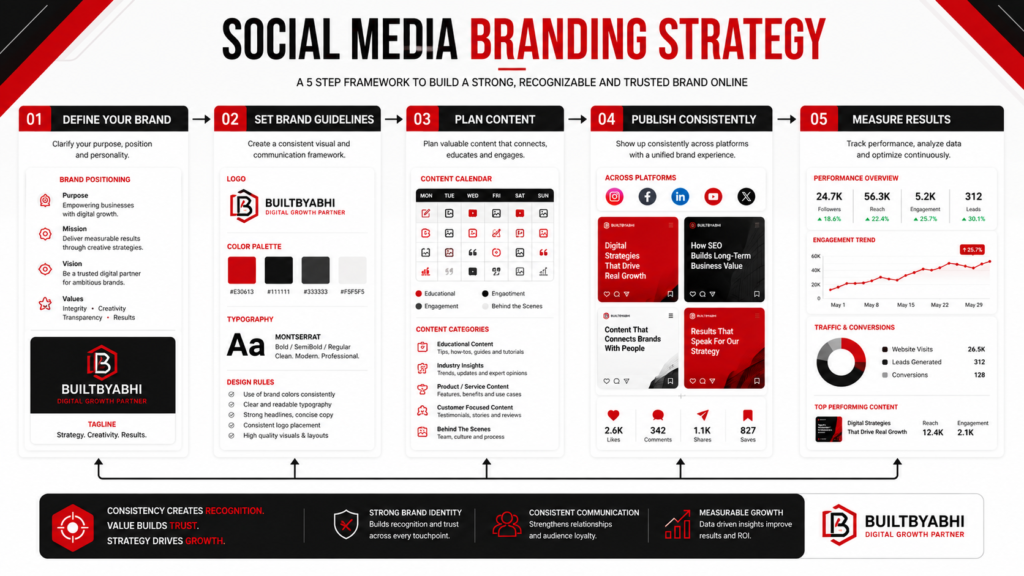
Digital marketing becomes much more useful when you regularly review performance.
Depending on your goals, you can monitor organic search traffic, social media engagement, website enquiries, leads, conversion rates, advertising results, and customer acquisition costs.
Do not expect every campaign to produce immediate results. SEO can take time to build, while paid advertising may provide faster data.
The important thing is to learn from the numbers.
If one topic consistently attracts relevant visitors, create more useful content around it. If a social media format receives attention but generates no meaningful action, reconsider its purpose.
Marketing improves through testing, measurement, and adjustment.
Common Digital Marketing Mistakes
One of the biggest mistakes is trying every marketing channel at once.
A small business may start SEO, Instagram, Facebook, YouTube, paid advertising, email marketing, and blogging simultaneously without having enough resources to manage them properly.
It is usually better to choose a few channels that match your audience and business goals.
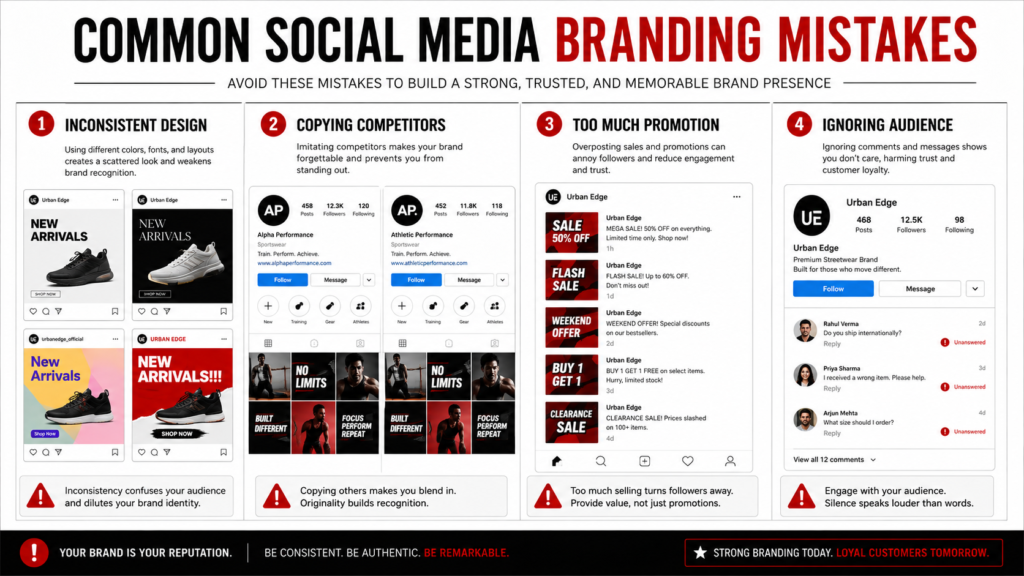
Another mistake is focusing only on vanity metrics. Followers and likes can be useful indicators, but they do not always translate into customers.
Look at more meaningful results such as qualified website traffic, enquiries, leads, sales, conversion rates, and customer engagement.
Also avoid creating content without a clear purpose. Before publishing something, ask whether it informs, helps, answers a question, builds trust, or supports a business goal.
Frequently Asked Questions
What is digital marketing and social media marketing?
Digital marketing covers online marketing activities such as SEO, content marketing, paid advertising, email marketing, websites, and social media. Social media marketing specifically focuses on using social platforms to reach and communicate with an audience.
Why is social media important for businesses?
Social media helps businesses communicate directly with customers, build awareness, demonstrate expertise, share useful information, and maintain relationships with their audience.
What does social media management include?
Social media management can include content planning, post creation, scheduling, community management, responding to messages, monitoring performance, and improving the content strategy.
Is SEO better than social media marketing?
Neither is automatically better. SEO can help attract people who are actively searching, while social media can build awareness and relationships. A suitable strategy often uses both according to the business goal.
Final Thoughts
Digital marketing and social media marketing work best when they are treated as connected parts of one strategy rather than separate activities.
SEO can help people find your business. A professional website can help them understand your services. Social media can help build familiarity and trust, while good social media management keeps communication active.
The strongest approach is not necessarily the one with the biggest budget. It is the one that understands the audience, provides useful information, measures results, and improves over time.
Start with clear goals, choose the channels that make sense for your customers, and focus on creating a reliable online experience. With consistent effort, these activities can support stronger visibility, better customer relationships, and sustainable business growth.