
Consultancy Services Marketing: Strategies to Attract Better Clients
Practical marketing strategies for consultancy firms to build authority, increase online visibility, generate qualified leads, and grow sustainably.
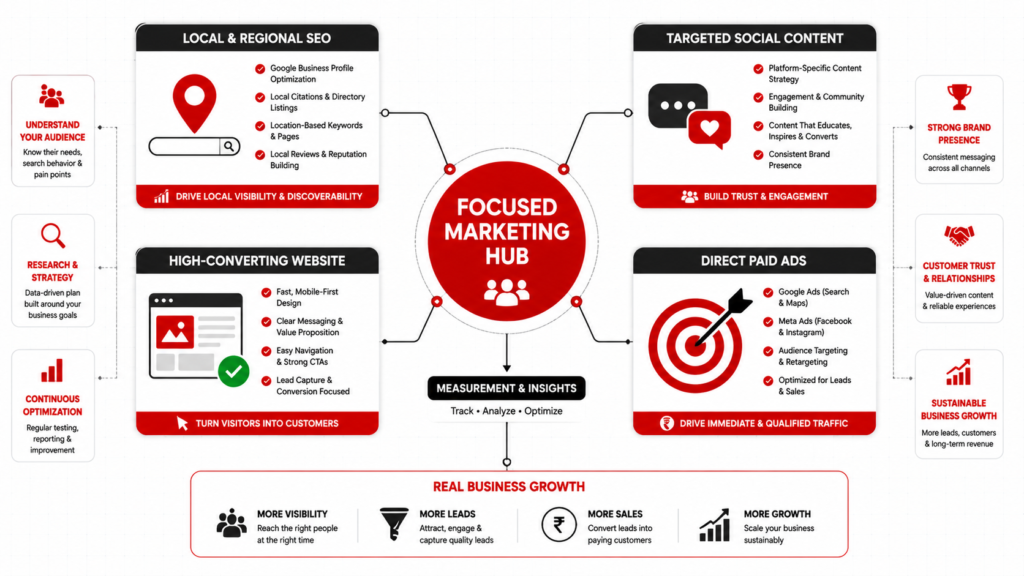
Marketing a consultancy is different from marketing a simple product. Clients are usually buying expertise, experience, trust, and confidence in your ability to solve a specific problem. Effective consultancy services marketing helps potential clients understand what you offer, why your expertise matters, and how your services can help them make better business decisions.
A strong strategy does not require being active on every platform. It requires reaching the right audience with useful information and making it easy for interested prospects to start a conversation.
Understand What Your Ideal Client Needs
Before choosing marketing channels, understand the problems your clients are trying to solve.
For example, a business consultant may work with companies struggling with sales growth, while an SEO consultant may help businesses improve their search visibility. Their audiences, keywords, content topics, and offers will be completely different.
Start by identifying common customer questions, challenges, buying concerns, and decision making factors. This information can shape your website content, social media posts, advertising campaigns, and SEO strategy.
When marketing speaks directly to a real problem, it usually feels more useful and less like advertising.
Build Authority Through Helpful Content
Consultancy businesses depend heavily on credibility. Potential clients want evidence that you understand their problem before they trust you with an important project.
Content marketing can help demonstrate that expertise.
You could publish practical guides, industry observations, case studies, frequently asked questions, and explanations of common mistakes. For example, a financial consultant could create an article explaining the common budgeting mistakes made by growing businesses.
The goal is not to reveal every detail of your professional process. Instead, show enough knowledge to help readers understand the problem and recognize your experience.
Use SEO to Reach People With Real Intent
Search engine optimization can connect consultancy firms with people actively looking for professional help.
Keyword research should focus on the services and questions that matter to your ideal clients. Service pages can target specific consultancy offerings, while educational articles can answer questions that prospects search before contacting a consultant.
Local consultants should also consider local SEO. A consultancy serving businesses in Jaipur, for example, can create location relevant service content and maintain accurate business information across important online directories.
Quality matters more than publishing large amounts of content. A few genuinely useful pages can be more valuable than dozens of shallow articles.
Digital Marketing for Consultancy Services
Digital marketing for consultancy services works best when different channels support the same business goal.
Your website can explain your services and establish credibility. SEO can help people discover your content through search. LinkedIn and other social platforms can help demonstrate expertise and maintain professional relationships. Paid advertising can provide targeted visibility when there is a clear offer and suitable audience.
These channels should not feel disconnected.
For example, a consultancy could publish an educational article about a common business problem, share key insights from that article on social media, and direct interested readers to a relevant service page.
Make Your Website Work Like a Sales Assistant
A consultancy website should answer important questions before a prospect contacts you.
Visitors should quickly understand who you help, what problems you solve, what services you provide, and how they can contact you.
Include clear service pages, professional biographies, client results where appropriate, testimonials, case studies, frequently asked questions, and an easy enquiry process.
Avoid making unsupported claims such as being the best consultant or guaranteeing specific results. Specific evidence is usually more convincing than broad promotional statements.
Use Social Media to Show Expertise
ocial media is particularly useful for consultancy firms because professional knowledge can become valuable content.
Share short explanations, industry observations, client lessons, common mistakes, useful statistics, and answers to questions you hear regularly.
A social media manager should also maintain consistency in tone, visual identity, and messaging. Over time, this helps create a recognizable professional brand.
The objective is not to chase every trend. It is to become a useful source of information for the people you want to work with.
Measure Leads Instead of Vanity Metrics
Marketing performance should ultimately connect with business results.
Track website enquiries, consultation requests, phone calls, qualified leads, conversion rates, and the source of your best prospects. Social media engagement and website traffic can provide useful context, but they should not be the only measures of success.
For example, 20 highly relevant website visitors may be more valuable to a consultancy than 2,000 visitors who have no need for its services.
Regularly reviewing these numbers helps identify which marketing activities deserve more attention.
How to Choose the Right Marketing Strategy
There is no single marketing formula that works for every consultancy.
A local business consultant may benefit from local SEO and networking content. A technology consultant might focus on detailed educational content and professional platforms. A specialist consultant with a narrow audience may find targeted advertising and industry partnerships more useful.
Start with one clear audience, one strong service offer, and a few channels that match how your prospects make decisions. Measure the results before expanding.
Frequently Asked Questions
What is consultancy services marketing?
Consultancy services marketing involves promoting professional expertise and advisory services through channels such as SEO, content marketing, social media, websites, email, networking, and paid advertising.
Which marketing channel is best for consultants?
It depends on the target audience and type of consultancy. SEO, professional social media, content marketing, referrals, and targeted advertising can all work when matched with the right audience.
How can a consultancy generate better leads?
Focus on a specific audience and clearly explain the problem your consultancy solves. Useful content, strong service pages, case studies, and clear enquiry options can help attract more relevant prospects.
Is SEO useful for consultancy firms?
Yes. SEO can help consultants appear when potential clients search for services, solutions, and information related to their expertise.
How long does consultancy marketing take to produce results?
The timeline depends on the marketing channel, competition, website authority, budget, and consistency. Paid advertising can produce data quickly, while SEO and content marketing generally require continued effort.
Final Thoughts
Effective consultancy marketing is built on trust rather than constant promotion. Show your expertise, understand your audience, provide genuinely useful information, and make it easy for qualified prospects to contact you.
When SEO, content, social media, advertising, and your website work toward the same goal, your marketing becomes easier to manage and much more useful to potential clients.